
The phrase "no-drill" implies zero wall impact, but that's not entirely accurate. Here's what each method actually does — and whether your landlord is likely to care.
What "Near-Zero Damage" Actually Means
The term "near-zero damage" used by brands like Evermount refers to the tiny pin holes left by their guide pins — not an absolute zero. These holes are:
- Approximately 1-2mm in diameter
- Very shallow (just into the paper face of drywall)
- Smaller than a thumbtack hole
- Invisible from normal standing distance
For comparison, standard picture hooks leave holes that are similar or larger. Most landlords and housing inspectors don't charge for holes at this scale.
The Damage Risk Spectrum
Tension Rods: Zero Wall Contact
Tension rods that wedge inside the window frame make no contact with your walls at all. They do leave temporary compression marks on window frame edges, but these are not surfaces landlords typically inspect.
Risk: None
Pin-Guide Brackets: Tiny Pin Holes
Small pins penetrate the drywall surface. Visible at close range but functionally invisible from normal distance. Easily patched with a bit of spackling or even white toothpaste as a temporary fix.
Risk: Very low — most states classify these as normal wear and tear
Adhesive Brackets: Paint Pull Risk
Adhesive brackets bond to your wall surface. The risk isn't installation — it's removal. Even careful removal using the recommended method (dental floss + heat gun) can sometimes pull paint. On fresh paint this is particularly common.
Risk: Low to moderate depending on paint quality, age, and surface texture
Legal Context: Normal Wear vs. Damage
Most state landlord-tenant laws distinguish between "normal wear and tear" (what you're not charged for) and actual damage (what you can be charged for).
Small nail/pin holes from hanging things are explicitly considered normal wear and tear in most states, including California, New York, and Texas. Check your state's specific laws if you're concerned. A quick search for "[your state] landlord tenant normal wear and tear" will show you the relevant standard.
How to Minimize Risk Further
- Patch pin holes before move-out: A small tube of spackling, a finger, and 5 minutes makes pin holes disappear completely
- Test adhesive in a hidden spot: Before installing adhesive brackets, test a small area behind furniture or in a closet
- Use proper adhesive removal technique: Heat with hair dryer + slow dental floss cut = minimal paint risk
- Document pre-existing damage: Photograph all walls before hanging anything
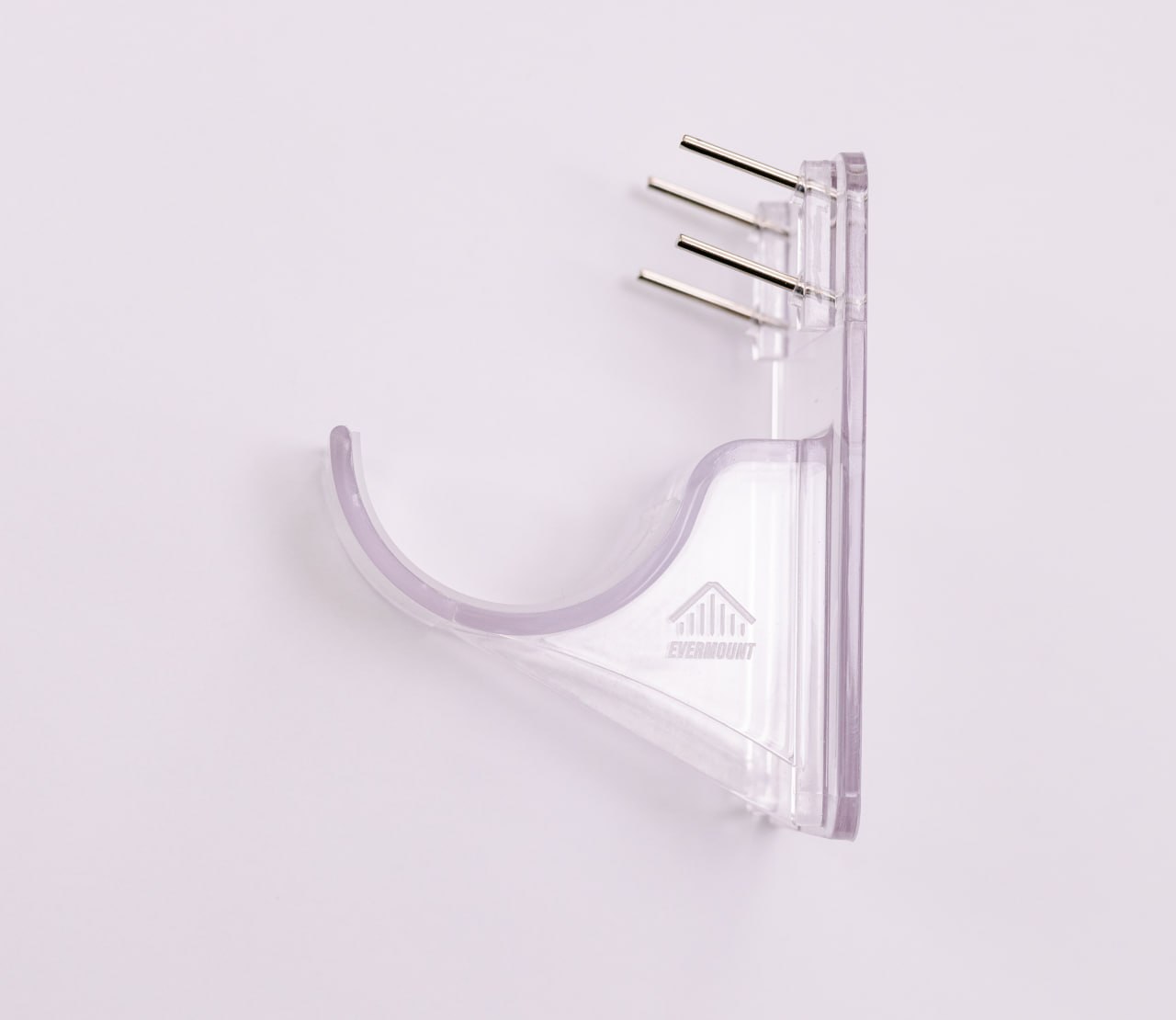
Evermount Curtain Rod Holders
Near-zero damage design — tiny pin holes only, no sticky residue. The wall impact is minimal enough that most renters feel comfortable using these without worrying about their deposit. Designed specifically with rentals in mind.
Check Price on Amazon →