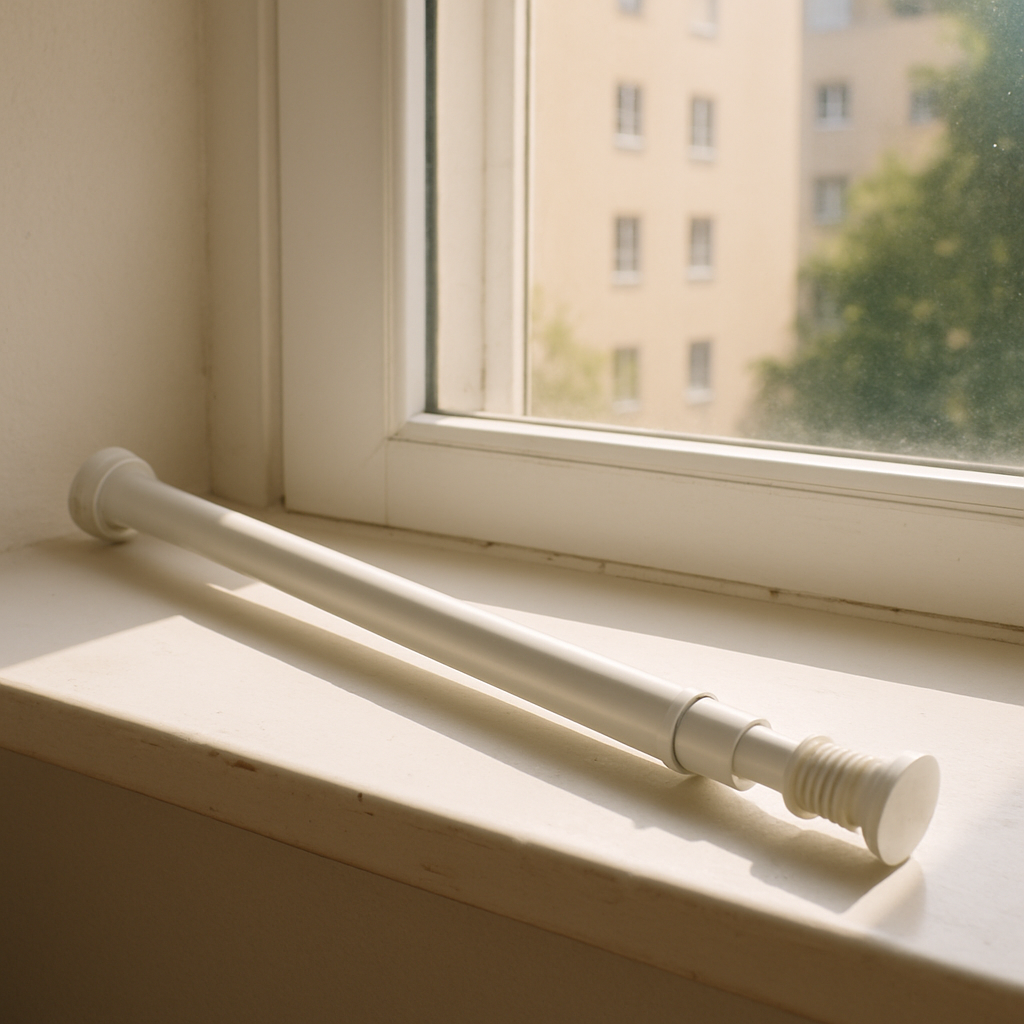

The 3am crash of a tension rod hitting the floor is practically a rite of passage for apartment renters. Let's diagnose why it happens and give you options that actually last.
Why Tension Rods Fall
Rod Extended Too Far
Every tension rod has a sweet spot — usually 70-80% of its maximum extension. At max extension, the spring inside has very little compression force left. Even a slight knock or the weight of curtains being opened can dislodge it. Always choose a rod where your window width is in the middle of the rod's range, not near its maximum.
Worn or Missing Rubber End Caps
The rubber tips on tension rod ends provide the grip that prevents slipping. These degrade over time and on slippery frame materials. If your rod is old or the caps look worn, replace them with aftermarket rubber tips (cheap, available on Amazon) before assuming you need a new rod.
Curtains Too Heavy
Tension rods are great for light sheers. Heavy thermal blackout panels create constant downward and lateral force that gradually walks the rod off its position. If you're hanging anything heavier than medium-weight cotton, tension rods are a temporary fix at best.
Smooth Frame Material
Aluminum window frames, tile surrounds, or vinyl-clad frames give tension rods almost nothing to grip. The rubber ends compress but slide on smooth surfaces. Wrap the ends with non-slip shelf liner material for a quick fix.
Fixes If You Want to Keep Using Tension Rods
- Right-size the rod — get one where your window fits in the middle of the range
- Wrap ends with rubber shelf liner — increases friction on smooth frames
- Install during dry weather — humidity can temporarily affect grip
- Use clip rings instead of rod-pocket curtains — distributes weight more evenly
- Tighten the rod end screw — most quality tension rods have an adjustable end; make sure it's locked
When to Switch to Something Better
If you've tried the above and the rod still falls, or if you're hanging heavy curtains, it's time for a proper bracket. You don't have to drill to get a stable installation.
Pin-based brackets like the Evermount work by actually engaging with wall material via tiny pins, not by friction alone. They provide the same stability as traditional drilled brackets but leave minimal wall marks. Installation is fast — 5-10 minutes per window.
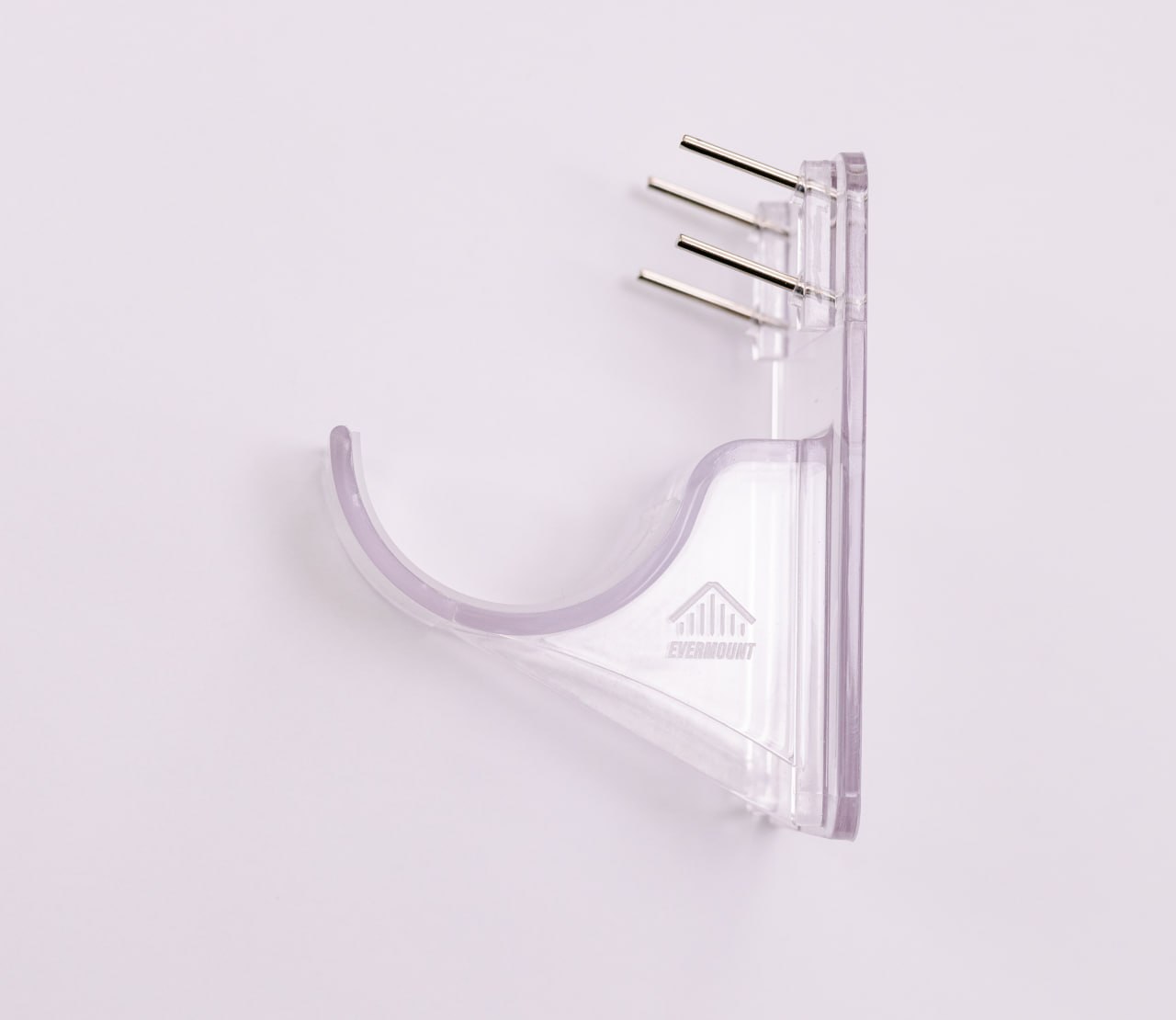
Evermount Curtain Rod Holders — The Tension Rod Replacement
If your tension rod keeps falling, these are the upgrade. Mount directly to the wall with pin guides, no drilling required. Much stronger than adhesive, much more reliable than tension pressure. 8-pack covers 2-4 windows.
Check Price on Amazon →Tension Rods That Actually Stay Up
If you really want to stick with tension rods, invest in quality. The difference between a $5 rod and a $20 rod is enormous. Look for:
- Thick steel construction (not hollow aluminum)
- Thick rubber end caps with grip texture
- Adjustable end that locks in place
- Minimum 1" diameter for any curtain with weight