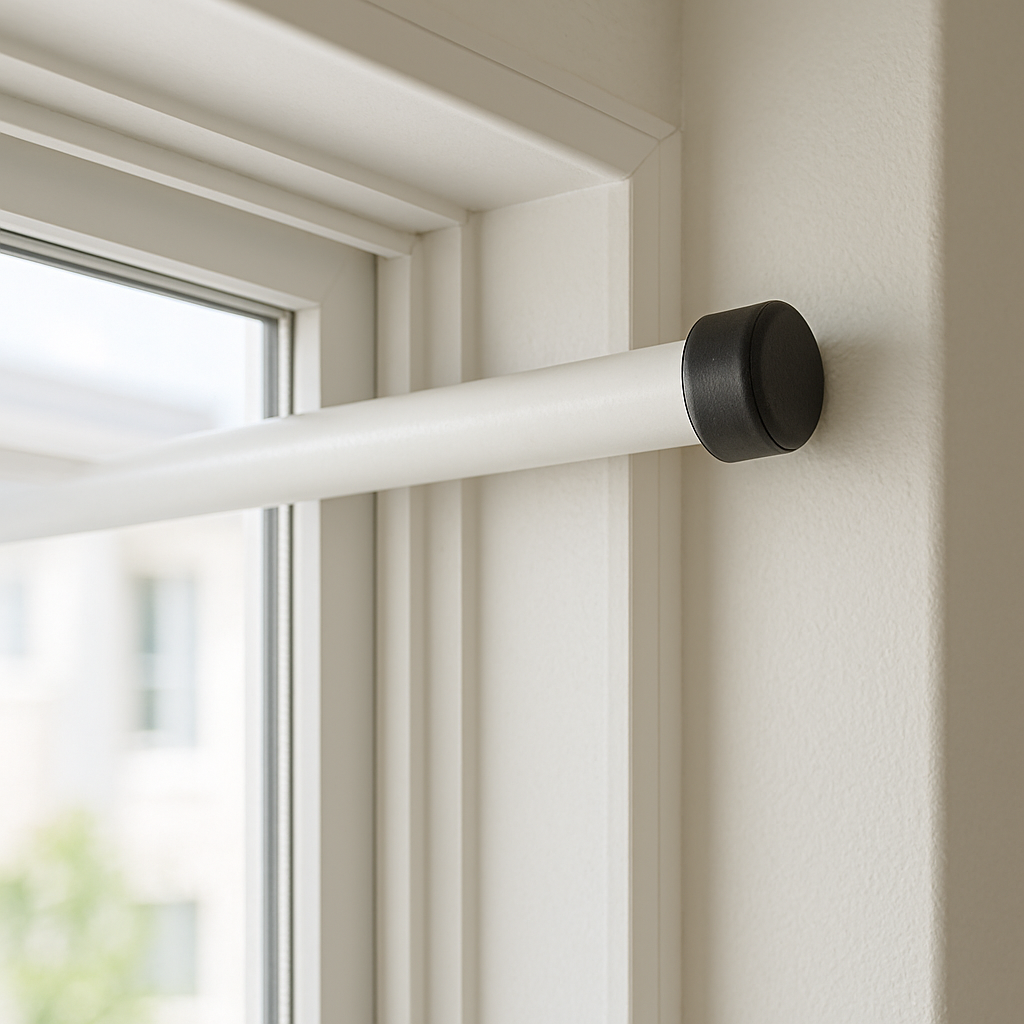

Tension rods that keep falling are a universal frustration. The good news: this is fixable without replacing the rod in most cases.
Why They Fall: Root Causes
1. Wrong Size Range
Tension rods work by spring tension between two parallel surfaces. If the rod is extended near its maximum length, the spring force weakens significantly. Always buy a rod whose midpoint matches your opening — for a 36" window, choose a rod rated 28-48", not 24-36" at maximum extension.
2. Heavy Curtains
Most tension rods are rated for 5-8 lbs. A single pair of blackout curtains can be 10-15 lbs. That's why adhesive or pin brackets exist — tension rods aren't the right tool for heavy panels.
3. Smooth Wall/Trim Surfaces
Tension rod ends can slip on smooth painted trim. The fix: rubber end caps. These are sold separately and create grip on smooth surfaces. Some rods include them; many don't.
4. Mounting in Drywall (Not Frame)
Tension rods work best between two firm surfaces — window frame to window frame. Pressing against open drywall on both sides gives less grip. If possible, position so at least one end contacts the window casing.
Fixes That Actually Work
- Rubber end caps: Stick-on or slip-on rubber caps add the grip that prevents slipping ($3-5 at hardware stores)
- Cut a wider size range: Return the current rod and buy one rated for a wider range than your opening
- Add a center support: For wide windows (over 48"), add a center ceiling hook to prevent sag and reduce lateral stress
- Switch to pin brackets: For heavy or recurring fall problems, upgrade to pin-based holders
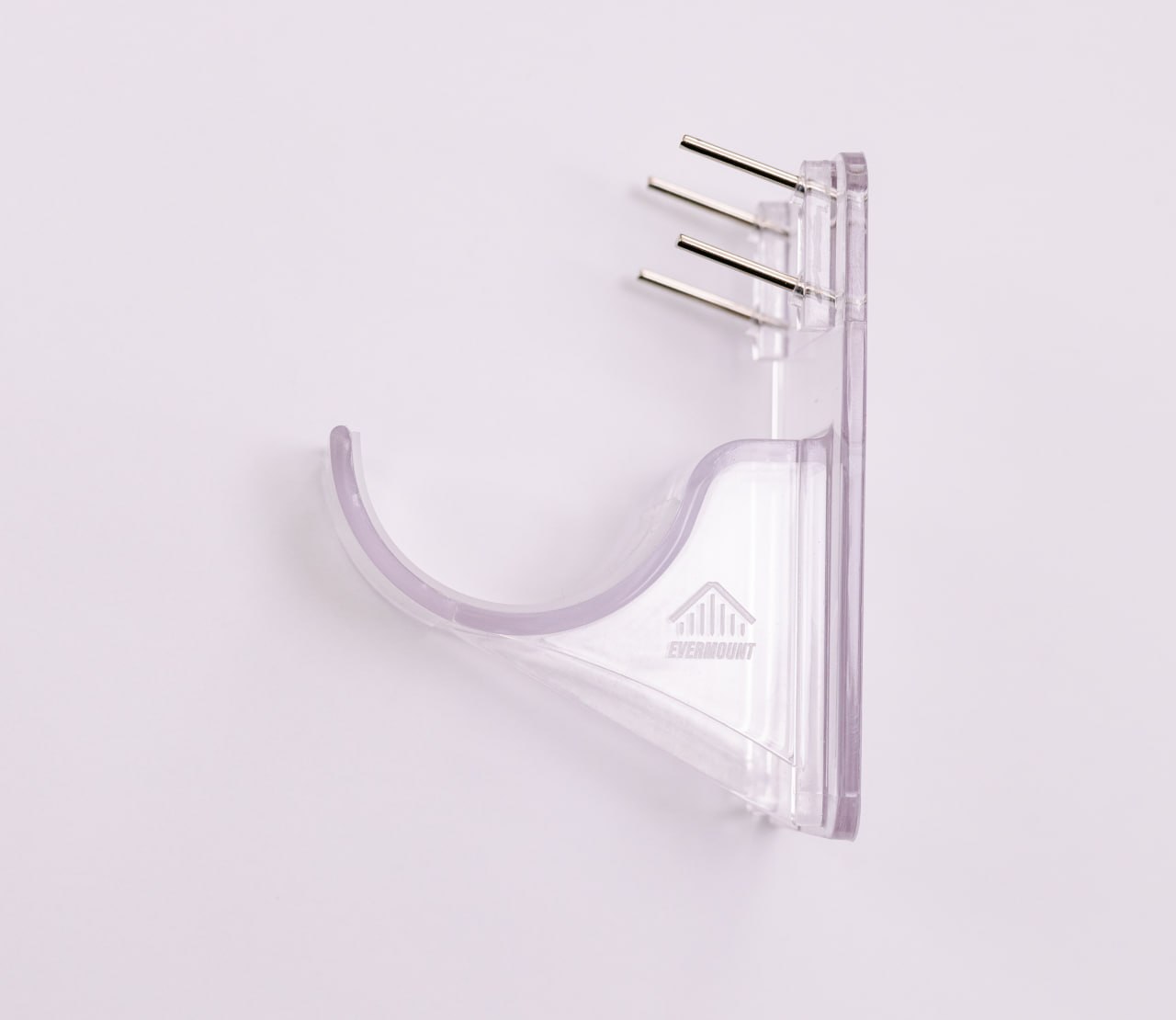
Evermount No-Drill Curtain Rod Holders
5X stronger than adhesive brackets. Uses pin alignment — no residue, no peeling, works on textured walls. Includes level tool. The no-drill solution that actually holds.
Check Price on Amazon →